
- Home
- Products Center
Products Center
- Solutions
Solutions
- Service Support
- News Center
- About Us
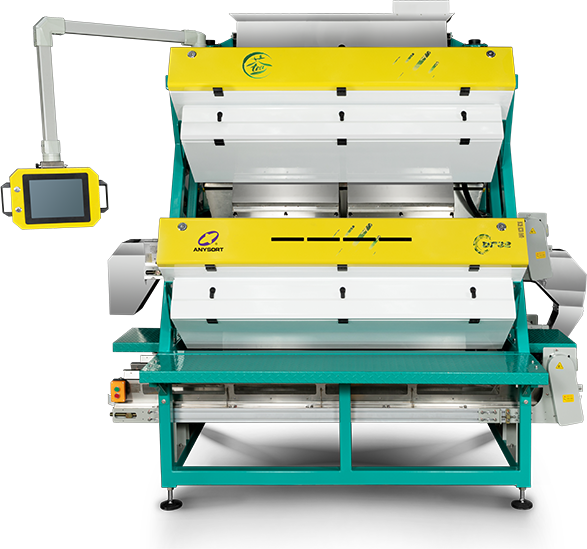
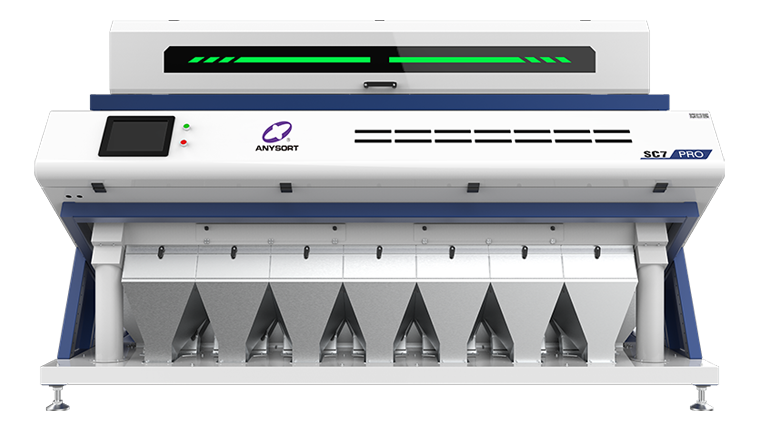
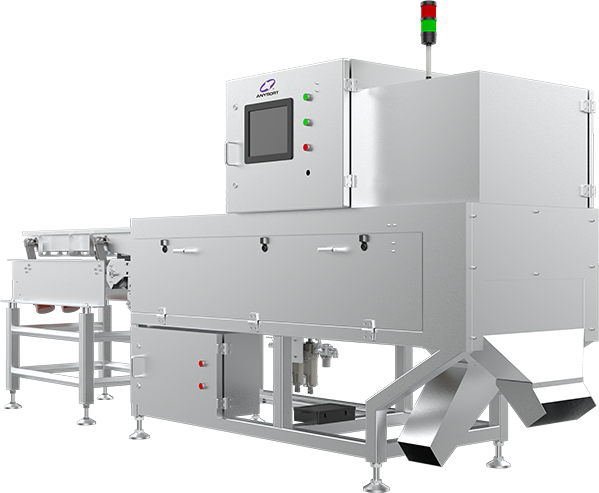







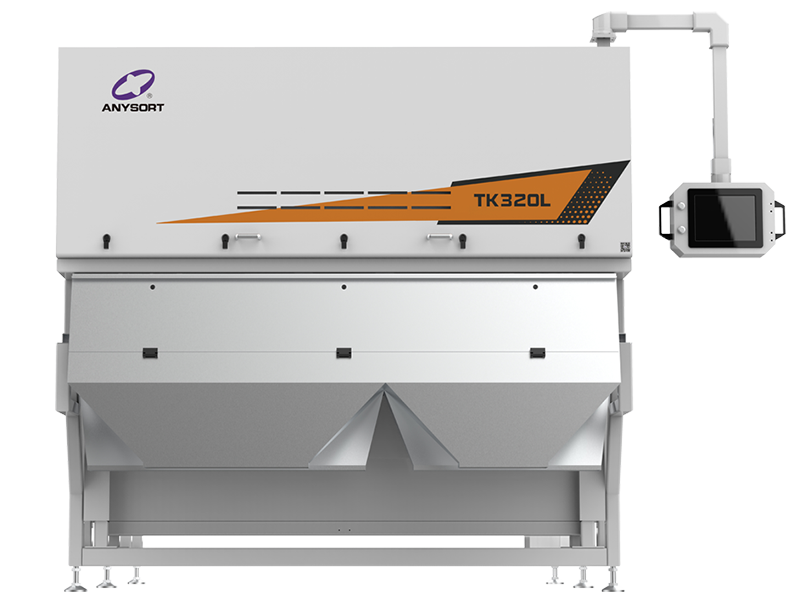
The purity and germination rate of the sorted seeds have significantly improved, and the performance of each batch is very stable. Uniform emergence has won the trust of farmers in the demonstration field, and this year has been the most reliable season.

Remove distinguishable immature, damaged and low-quality seeds to increase the proportion of viable seed in the finished lot. This can support stronger and more reliable germination performance across the seed lot.

Separate detectable weed seeds, off-types, husks, stones and other foreign material from the target seed. Cleaner seed lots help processors meet customer specifications and downstream quality requirements.

Create more consistent seed lots by sorting visible differences in colour, size, shape and maturity. More uniform seed quality can support more even and predictable crop emergence.

More consistent seed size and shape can help seed metering systems operate more reliably. This supports more accurate placement with fewer misses, doubles and spacing variations.

Use targeted detection and rejection to meet quality objectives while reducing good seed carryover into the reject stream. This helps protect the commercial value of every lot, particularly for small or high-value seed products.
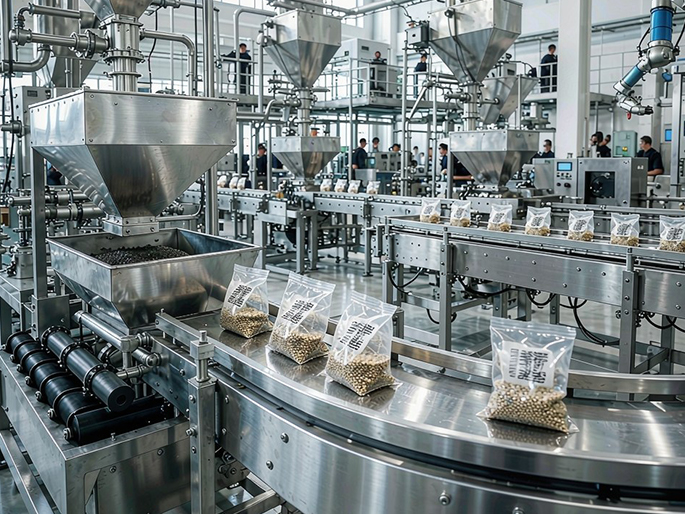
Remove seeds that do not meet requirements before coating, treatment, packaging and transport. This helps avoid downstream spending on low-quality material and focuses processing resources on saleable seed.
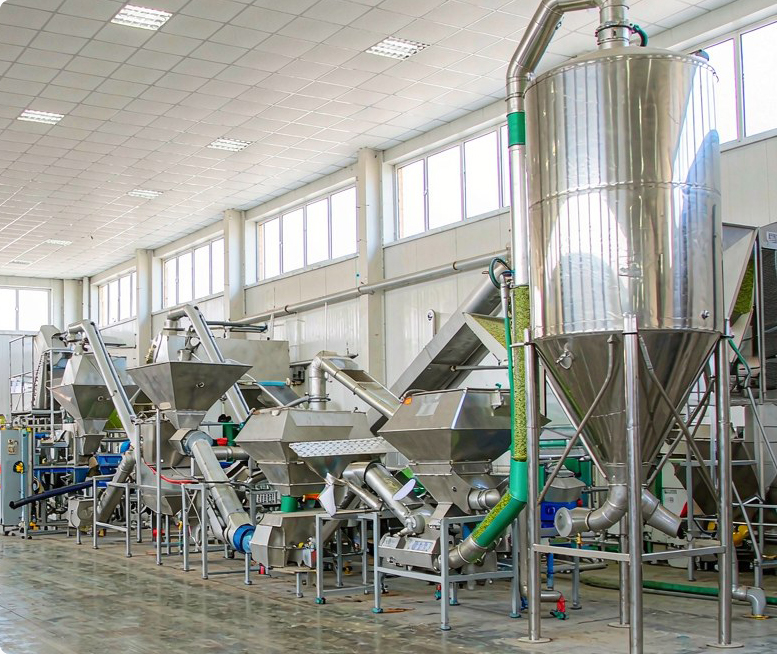
The customer's original production line relied on manual experience to judge the quality of seed batches, resulting in significant fluctuations in purity and frequent rework. After introducing the ANYSORT intelligent sorting system, immature and irregular seeds were stably removed, and the yield of good seeds significantly decreased. The resource investment in downstream coating and packaging processes became more focused. Production line personnel can grasp sorting performance through a visual interface, greatly reducing machine adjustment time.
They are all treated with precision
Fill in the information on the right side
Our professional technical team will contact you within 1-2 working days.


JIEXUN OPTOELECTRONIC(AUSTRALIA) PTY LTD. All Rights Reserved Anhui ICP No. 19018453-1 Disclaimer Business License Technical support:IBW